

.svg)
.svg)
.svg)
.avif)
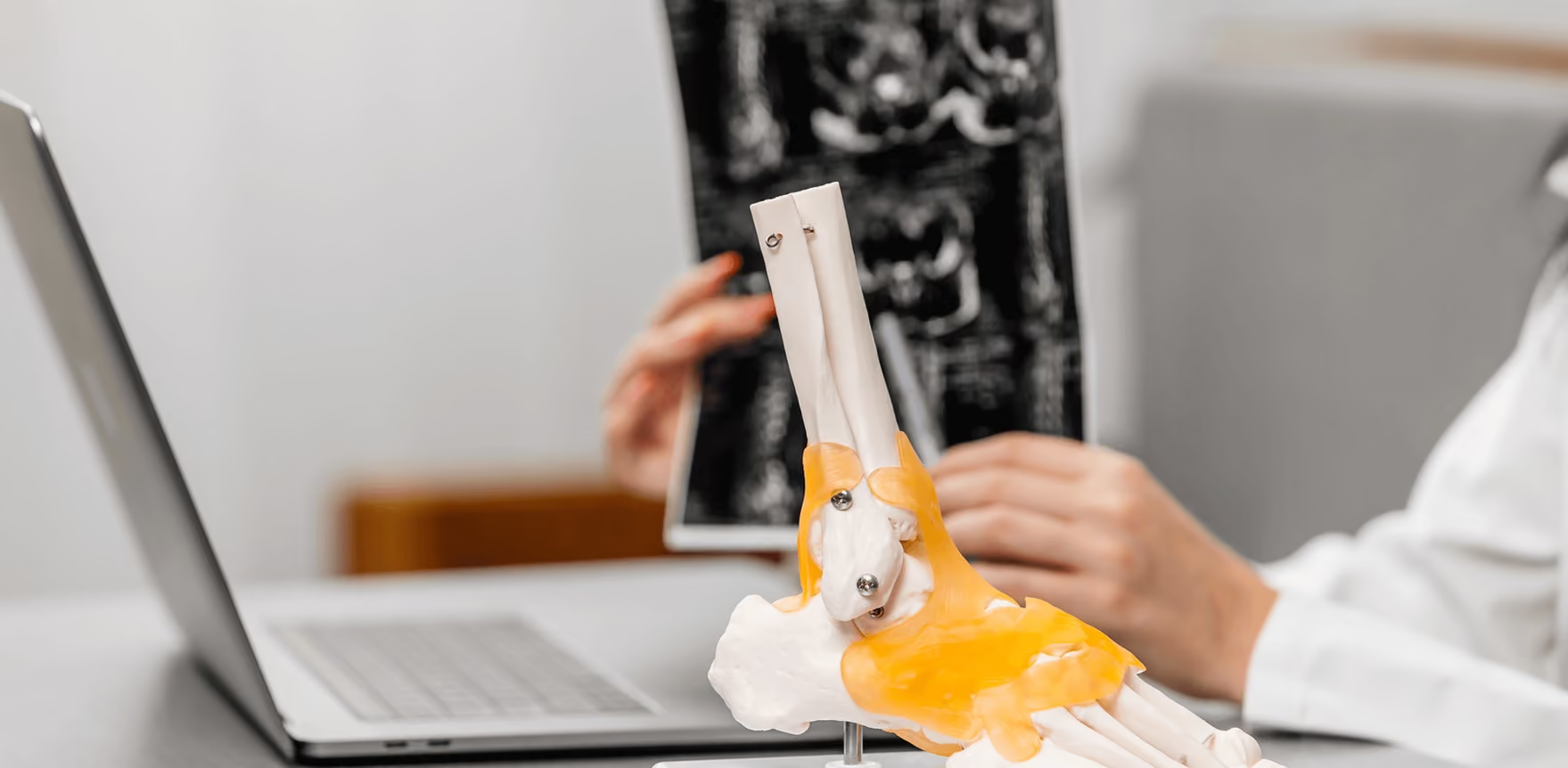
If the constant ache or stiffness in your foot or ankle has become a shadow you live with, you may be searching for minimally invasive treatment options that don’t involve foot braces or a regimen of pills to take. One particular treatment you may hear a lot about is platelet-rich plasma injections. These injections use a small sample of your own blood, concentrate the platelets through spinning, and then inject that platelet-rich solution into an injured tendon, ligament, or joint to support healing.
With studies showing an outstanding ability to promote healing, PRP and other regenerative therapies have become increasingly common for treating foot and ankle issues, particularly tendon or ligament injuries, persistent plantar fasciitis, and early-stage arthritis.
Read on to delve deeper into the evidence of PRP for foot and ankle conditions, and discover if you are a good candidate for this regenerative treatment and where to find the best podiatrist in West Los Angeles who offers PRP.
How Do PRP Injections Work for Foot and Ankle Conditions?
PRP injections for foot and ankle conditions start with a simple blood draw, much like a routine lab test. That blood is then spun in a centrifuge, separating the plasma so it’s rich in platelets, the tiny cells loaded with healing growth factors and proteins.
Once prepared, this concentrated plasma is injected directly into the injured area, such as the thick band of tissue on the bottom of the foot, known as the plantar fascia, the Achilles tendon, or the ligaments that get stretched in an ankle sprain.
Inside the body, those platelets go to work releasing growth factors that signal the body to repair damaged tissue, build new collagen, and calm inflammation. While PRP is not an instant fix, many people find it promotes natural healing in areas that have been slow to recover on their own.
Who is a Good Candidate for PRP Injections?
You’re a great candidate for PRP injections in the foot or ankle if you’ve tried traditional treatments, like physical therapy, custom orthotics, or anti-inflammatory medication, for several months but still have pain that won’t go away. These injections tend to work best for soft tissue injuries, such as:
- Nagging Achilles tendon strain
- A stretched ligament from an ankle sprain
- Stubborn case of plantar fasciitis that stings with the first steps of the day
People with severe arthritis or active infections, however, are not usually considered, and PRP may not be a fit for those with bleeding disorders or unrealistic expectations. PRP isn’t a magic fix, but for the right person, it can act like a gentle push toward healing in areas that have stalled.
What to Expect During and After PRP Treatment?
The visit often starts with a quick blood draw, much like what you’d experience at a lab. The vial of your blood is then spun in a centrifuge, separating out the platelets. These healing platelets are then carefully injected into the injured area with ultrasound to guide the needle in just the right spot. The injection itself may cause pressure or a sharp sting, followed by a sense of fullness or ache in the hours that follow.
In the days after, some swelling or soreness is common as your body responds to the concentrated platelets. Most people don’t feel meaningful change right away, but many notice a shift around four to eight weeks, with bigger strides in comfort or function by the three- to six-month mark.
Recovery after a PRP injection includes rest, gradual return to movement, and skipping NSAIDs so they don’t blunt the healing response. Depending on how deep the injury runs, some people may return for a second or third round of injections or pair the treatment with guided physical therapy to build strength and support lasting relief.
Finding the Best Podiatrist in West Los Angeles
Every step tells a story, and at KIN Foot and Ankle, we honor each one by combining clinical expertise with a deep commitment to your long-term wellness. Our approach to PRP treatment is rooted in recognizing that healing includes rebuilding strength and resilience. We use PRP treatments thoughtfully, often as a minimally invasive option to support tissue repair for patients who want to stay active without relying on temporary fixes.
Led by Dr. Megan Ishibashi, a board-certified foot and ankle surgeon with fellowship training in sports medicine, we bring specialized skill and thoughtful care to every injection, whether it's for a chronic tendon issue, stubborn plantar fasciitis, or post-surgical recovery. Patients travel from across California and beyond because they trust us to offer precision care, clear communication, and treatment that's built on listening.
Ready to return to the movements and moments that matter most with help from the best podiatrist in West Los Angeles?


.svg)
.svg)
.svg)
