

.svg)
.svg)
.svg)
.avif)
A sharp sting at the corner of your big toe can turn a simple walk into a slow limp. And for those with circulation problems or diabetes, this seemingly simple problem can turn into a limb-threatening or life-threatening situation.
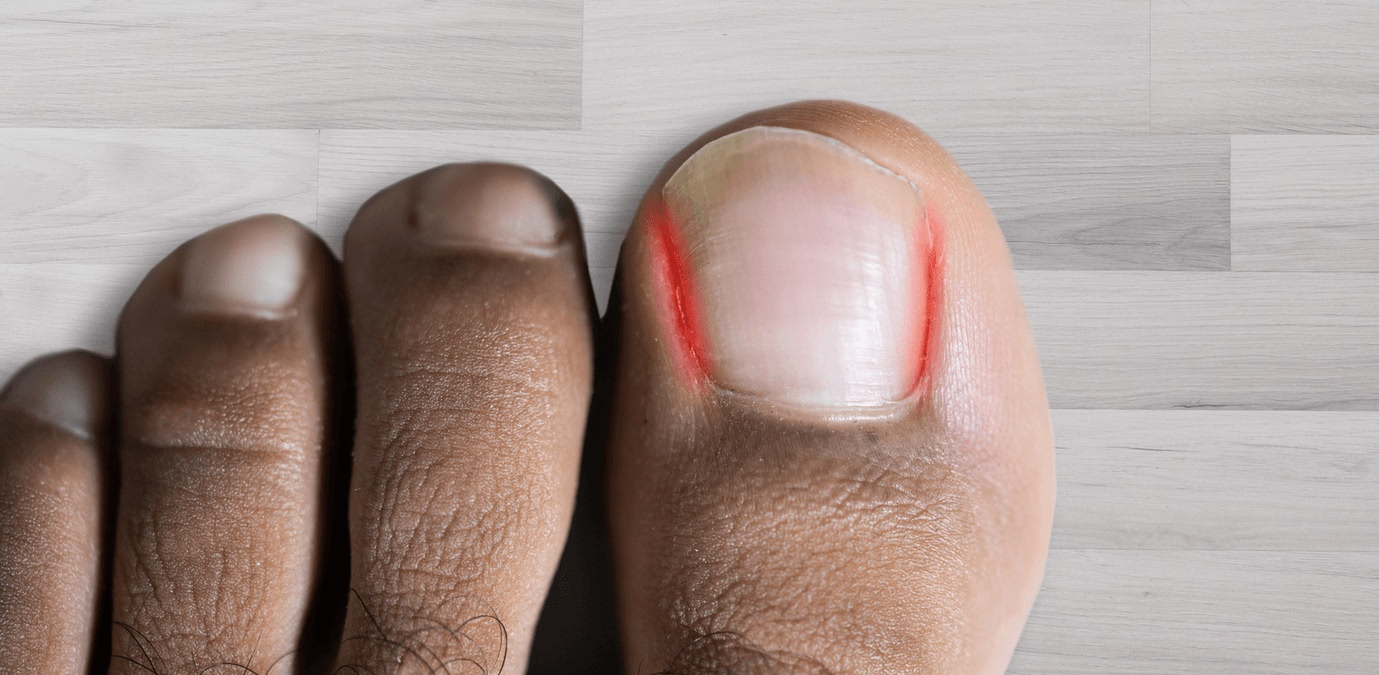
An ingrown toenail happens when the edge of the nail grows into the surrounding skin, which can cause redness, swelling, and a throbbing, tender pain with every step. It’s very common, making up about 20% of visits to a doctor for a foot-related issue. The good news is that many mild cases improve with home care and can even be prevented with simple prevention strategies.
Continue reading to learn practical at-home tips to calm an irritated ingrown toenail, signs that it’s time to see an expert, and where to find the best podiatrist in Los Angeles for ingrown toenail treatment.
Ingrown Toenails: Causes and Symptoms
An ingrown toenail usually starts with a dull ache or a pinching feeling along the side of the nail that gets worse when you put weight on your foot. These symptoms can start off mild and be easy to put off at first. People with diabetes or other conditions that affect the nerves may not feel anything at all.
Ingrown toenails commonly develop when toenails are cut too short or rounded at the corners, which encourages the nail edge to press into the skin as it grows. Tight shoes can make things worse by squeezing the toes together, creating constant pressure that irritates the area with every step. Some people are more prone to ingrown toenails because of the natural curve of their nails, past toe injuries, family history, or feet that stay damp from sweat or fungal infections.
Home Care Tips for Ingrown Toenails
Caring for a mild ingrown toenail at home focuses on easing the pain while waiting for an appointment with a medical provider who can provide treatment. The best way you can ease the pain of an ingrown nail at home is to soak your ingrown nail in warm, soapy water or an Epsom salt bath for 10 to 20 minutes, two or three times a day.
If you have a mild ingrown nail, you can gently lift the edge of the nail without forcing it. To do this:
- Use clean hands to place a small piece of cotton or waxed dental floss under the nail corner to help guide it upward as it grows
- Soak your nail in warm water for 10 to 20 minutes beforehand to make gently lifting the nail easier
- Replace the piece of cotton or waxed dental floss each day
- Keep the area clean by washing with warm water and soap every day
- Watch for signs of worsening symptoms that could indicate infection, including a worsening redness, warmth, and pain
If the toe aches or throbs, over-the-counter pain relievers like ibuprofen or acetaminophen can help take the edge off while you’re waiting for your appointment. Wearing shoes with a wide toe box or switching to open-toed shoes can also reduce rubbing and pressure.
How to Prevent Ingrown Toenails
After treatment, you can avoid future ingrown toenails with a few simple habits that protect your toes:
- Cut your toenails straight across when trimming them
- Avoid cutting your toenails too short, as this can cause the edges to grow into the skin as the nail grows
- Make nail care part of your regular health routine, so you are able to catch changes early
- Wear shoes that fit appropriately, with enough room for your toes to spread out instead of rubbing together
- Avoid narrow or pointy shoes, which can create constant pressure that irritates the nail and surrounding skin
- Keep your feet clean and dry
- Visit a podiatrist regularly for nail care if you are diabetic or have other conditions that affect your circulation or nerves
When to See the Best Ingrown Toenail Specialist in Los Angeles for Treatment
Most of the time, an ingrown toenail needs more than home care, and knowing when to seek help can prevent serious problems. Here are signs you need to see a podiatrist for treatment:
- If the pain keeps getting worse or does not ease after a few days of soaking and gentle care
- You have a redness that spreads
- The skin around the ingrown nail feels hot to the touch
- Yellow or white drainage is leaking from the ingrown nail
- Walking or standing becomes too painful
Repeated ingrown toenails that keep returning or never fully heal are another reason to see a podiatrist. Professional care can safely remove the problem part of the nail and help stop the cycle before it leads to complications.
What to Expect When Getting the Best Ingrown Nail Treatment in Los Angeles
After examining your toe, the best podiatrist in Los Angeles will numb the area so you feel pressure rather than pain while the nail is trimmed and gently separated from the irritated skin. If the problem keeps coming back, a small portion of the nail may be removed to stop it from growing into the skin again. When an infection is present, antibiotics may be prescribed to help clear it before it spreads.
Once the procedure is done, you may notice soreness similar to a bruise for a short time. Aftercare often includes warm foot soaks, keeping the toe clean, and wearing loose shoes or sandals so the skin can heal without rubbing.
Discover the Best Ingrown Toenail Specialist in Los Angeles
An ingrown toenail can make even the simplest tasks impossible to do without pain. If you’ve tried home care but you’re noticing signs of an infected toenail or aren’t able to heal your ingrown nail on your own, Dr. Ishibashi offers the best ingrown nail treatment in Los Angeles.
At KIN Foot & Ankle, we treat ingrown toenails with gentle, in-office care that reduces the chance of future ingrown nails. We also provide compassionate podiatry care for all foot and ankle conditions, including gout, diabetic foot wounds, nail fungus, as well as foot and ankle surgery for bunions, sports injuries, ankle sprains, tendon injuries, and more.
Ready to get effective treatment for an ingrown toenail from the best podiatrist in Los Angeles?


.svg)
.svg)
.svg)
